
Materials
Insulation types & R-value
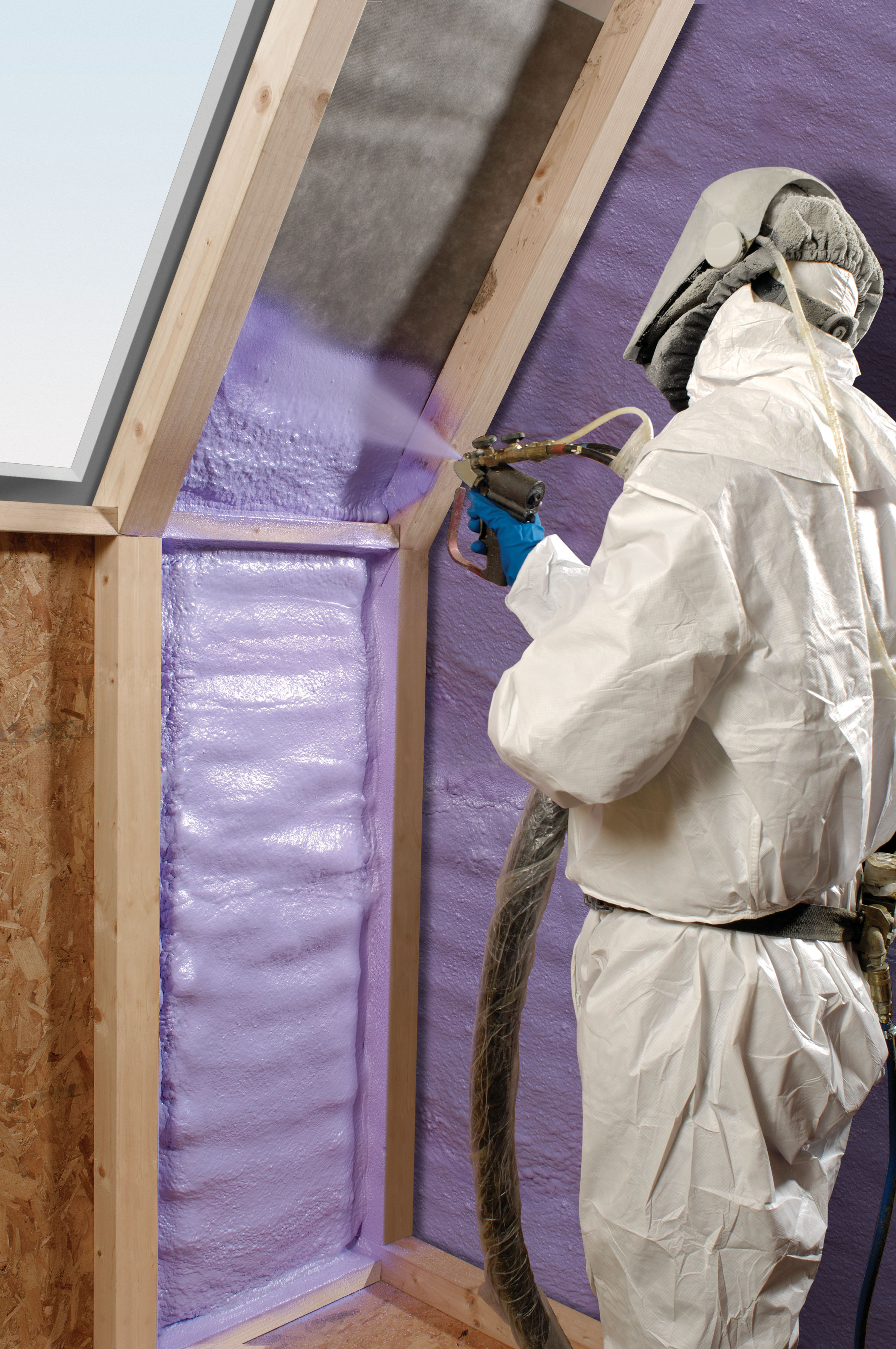
Batt, loose-fill, rigid board and spray foam — how their per-inch resistance compares and where each one earns its place.
Plain-language technical notes on insulation types, air and vapour control, and window sealing for Canadian heating climates — with references back to published code and federal guidance.

Each entry walks through the materials, the order of operations, and the moisture rules that keep an upgrade durable rather than just warmer for one winter.
Batt, loose-fill, rigid board and spray foam — how their per-inch resistance compares and where each one earns its place.
Why air leakage control comes first, and how the 1/3–2/3 rule keeps the vapour barrier on the warm side of an assembly.

Caulk versus weatherstrip, where each belongs, and how sealing intersects with Canada's current home-efficiency funding.
Natural Resources Canada describes air leakage control as the first retrofit activity, ahead of adding insulation, so moisture is not driven into a newly filled cavity.
The vapour barrier belongs within the warm inner third of an assembly's thermal resistance — the 1/3–2/3 rule referenced throughout the federal retrofit guidance.
Minimum R-values, air barrier and ventilation requirements are set provincially and follow the National Building Code; confirm specifics with your building authority.
Assess where heat and air are escaping, seal the leaks, add the right thermal resistance, control vapour on the warm side, then verify the result before closing the wall.
Send a note and we will read it. This form runs entirely in your browser for a static site, so nothing is transmitted or stored on a server.